








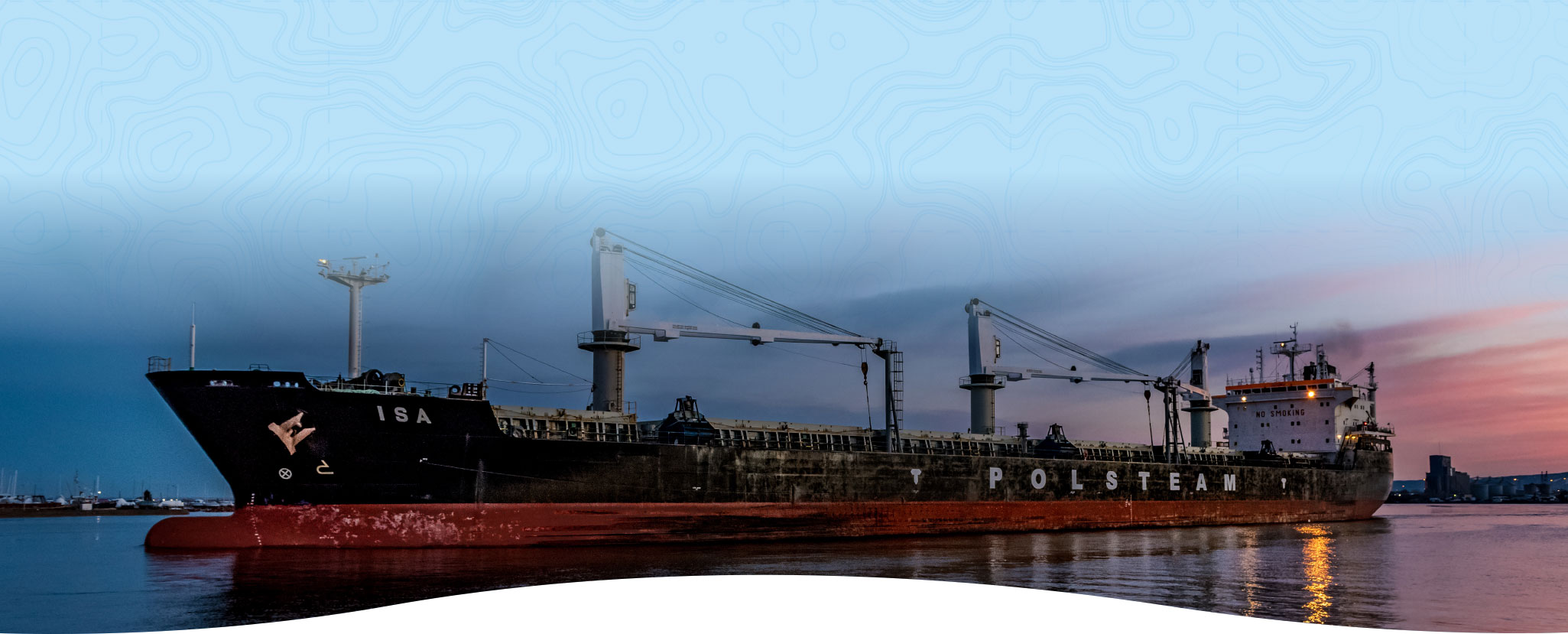
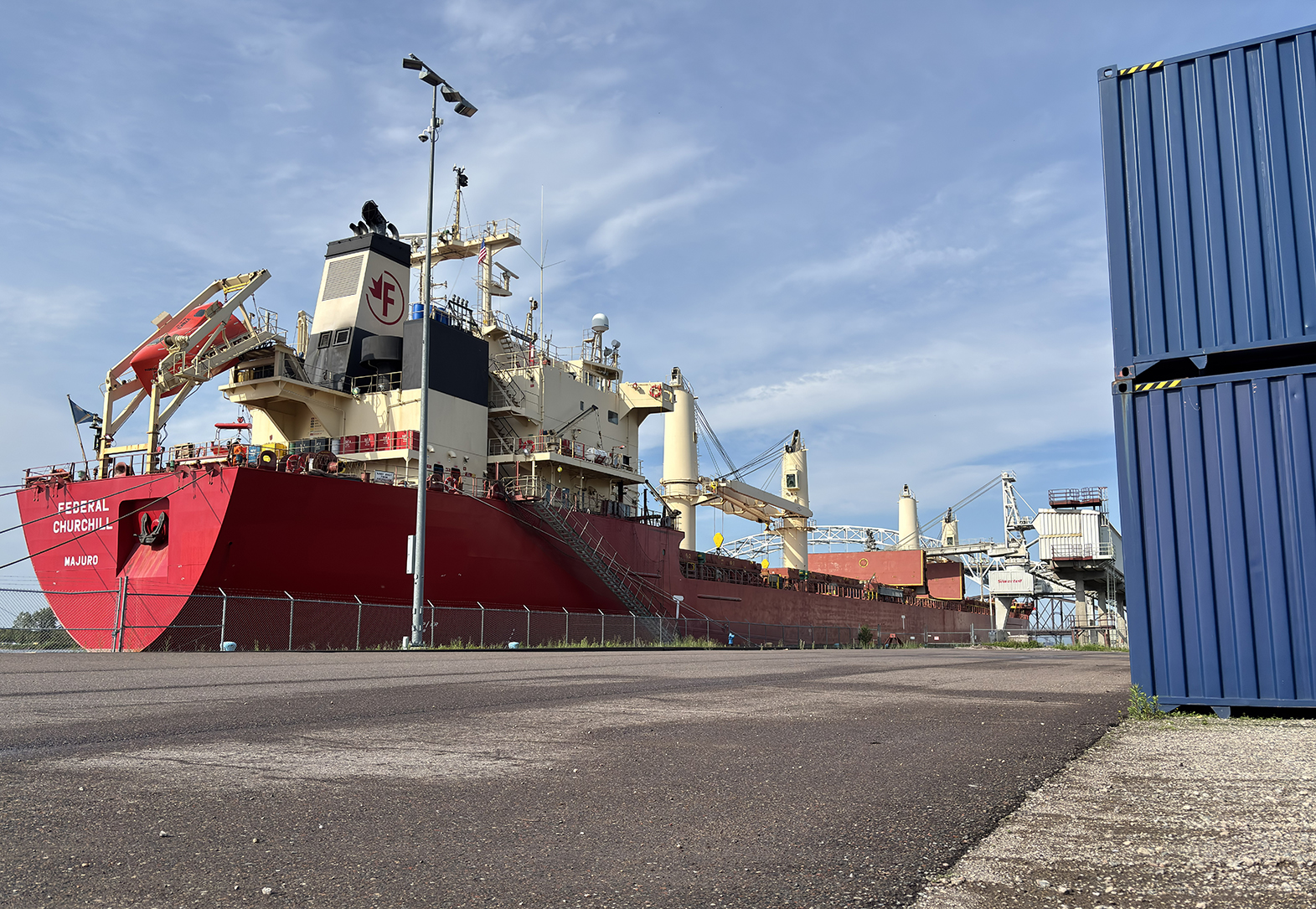
DULUTH, Minn. — Tonnage for the Port of Duluth-Superior totaled 11.4 million short tons through Aug. 31, 2026, trailing the 2025 midseason pace by approximately 3.9 million tons.
Reduced coal shipments accounted for roughly 75 percent of that decline – 2.9 million tons – as North American energy production continued its shift away from coal-fired electricity. That change contributed to the closure of Superior’s Midwest Energy Resources Company coal terminal this summer, after 50 years of loading vessels with low-sulfur western coal destined for locations across the lower Great Lakes and worldwide.
The remaining 25 percent of Duluth-Superior’s tonnage deficit is mostly attributable to a 946,000-ton drop in iron ore shipments compared to the 2025 pace. Contributing factors include market trends, trade policy and transportation efficiency tactics, which sometimes reallocate pellet supplies across Duluth-Superior ore docks and those in Two Harbors and Silver Bay, Minnesota.
Diminished exports to Canada accounted for roughly half of Duluth-Superior’s year-over-year decline in iron ore tonnage, while domestic shipments trailed the 2025 pace by 40 percent.
“The drop in coal and iron ore wasn’t surprising, given the headwinds, but hopefully we see an uptick in Q4 with the positive developments at Mesabi Metallics and the relined Gary Works Blast Furnace 14,” said Kevin Beardsley, executive director, Duluth Seaway Port Authority.
Looking beyond coal and iron ore, most of Duluth-Superior’s other cargo categories showed little change from the 2025 pace, with the exception of grain, cement and salt, all of which registered sizable gains.
Through August, durum wheat exports more than doubled the 2025 midseason pace, helping lift grain tonnage 30 percent year over year. Imports of Turkish cement and Canadian salt topped last year’s pace by 82 percent and 19 percent, respectively.
“Anything that affects global trade affects our port, so we’re definitely navigating some choppy waters,” said Beardsley. “But the advantages we offer as North America’s farthest-inland seaport are still exceptional – the unmatched inland reach, free-flowing multimodal connections and award-winning infrastructure. For our port, the mission is to keep building on those strengths and working to create new opportunities.”
###
The Port of Duluth-Superior is North America’s farthest-inland seaport and the Great Lakes’ all-time tonnage leader. A multimodal cargo gateway for global trade, it connects midcontinent markets via the Great Lakes-St. Lawrence Seaway System, direct Class I rail and free-flowing highways. The port is a catalyst for regional economic development, sustaining more than 7,000 jobs and generating $1.6 billion in annual economic activity. Learn more at DuluthPort.com.